
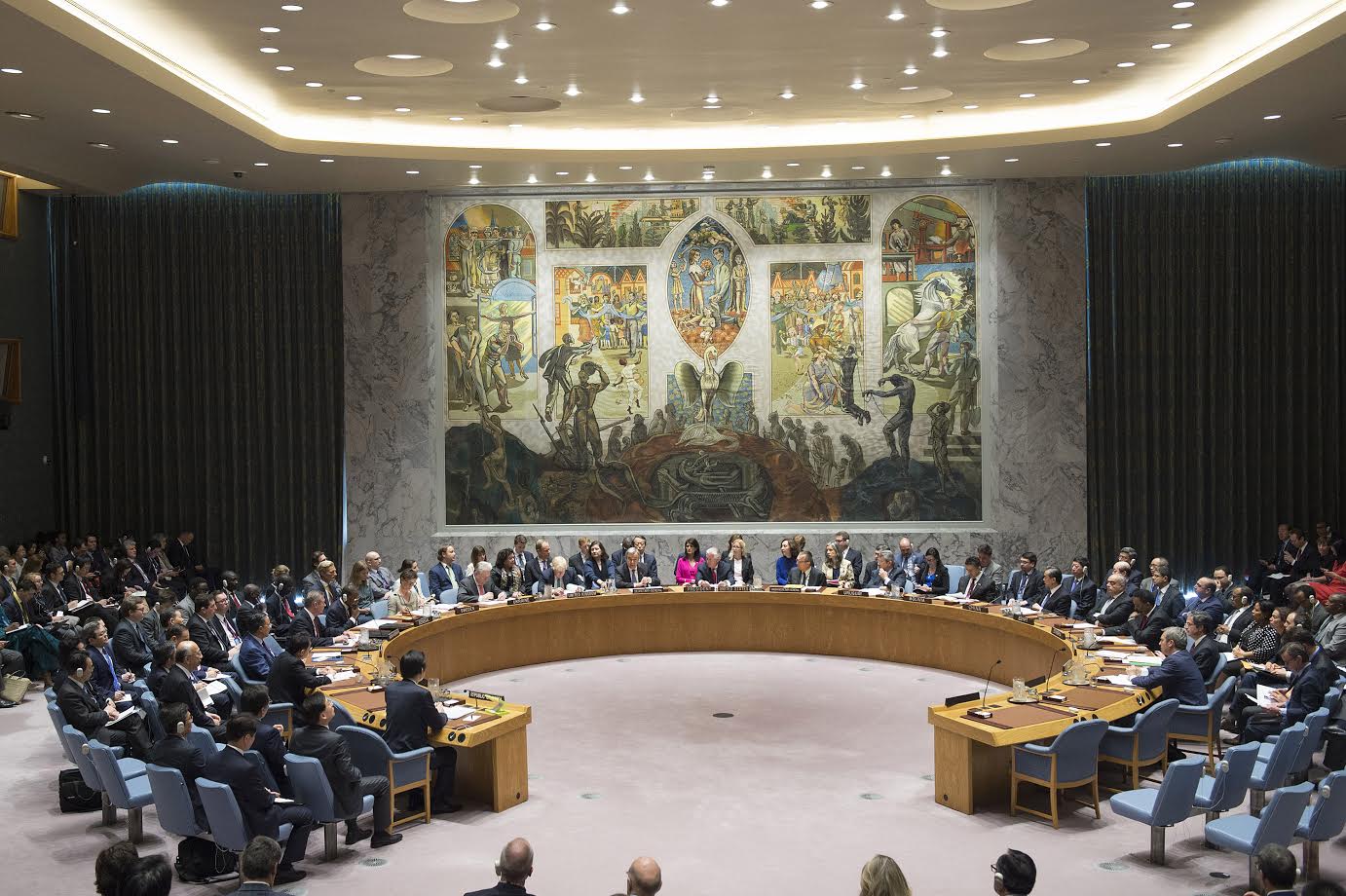

The Human Rights Center is creating a first-of-its-kind tool — the Digital Ceasefire and De-escalation Handbook. This groundbreaking initiative is specifically designed to help negotiators, mediators, and people and organizations in affected communities negotiate the digital components of armed conflicts, grey zone activities, and internal disturbances. The face of war is changing. As modern warfare increasingly involves cyber attacks on critical infrastructure, Internet shutdowns, and incitement to violence on social media platforms, contemporary battlefields are no longer waged solely on physical territory or fought just by conventional armies. Large technology companies have become an active player in today’s conflicts — their platforms enlisted as sites of virtual conflict and their tools deployed as weapons. Meanwhile, conscripted cyber armies patrol the digital frontlines, and trolls create and spread AI-generated falsehoods to confuse and mobilize populations. While traditional ceasefire agreements are a vital step towards peace by halting violence, prompting negotiations, and facilitating humanitarian aid, they often overlook how digital tactics exacerbate human suffering and complicate peacebuilding efforts. The Handbook seeks to fill this gap, addressing a critical void in conflict resolution tools.
In addition to academic research, a review of historical and existing ceasefire and peace agreements, and our own on-the-ground experience, this Handbook draws on insights from an extensive series of over four dozen in-depth interviews with negotiators, mediators, people and organizations in affected communities, diplomats, ICT company representatives, and experts in internet interference, information threats, and cyber attacks.
Partners



July 9, 2025
For True Peace, Ceasefires Must Address Digital Warfare, Too
Commentary — Tech Policy Press: For True Peace, Ceasefires Must Address Digital Warfare, Too, co-authored by HRC executive director Betsy Popken. Left: President Donald Trump