Holistic Digital Security
Publication Date
March 24, 2022
Publication Type
Report
Topic(s)
Human Rights Investigations Lab, Investigations Program, Open Source Investigations, Public Health, Technology
Summary
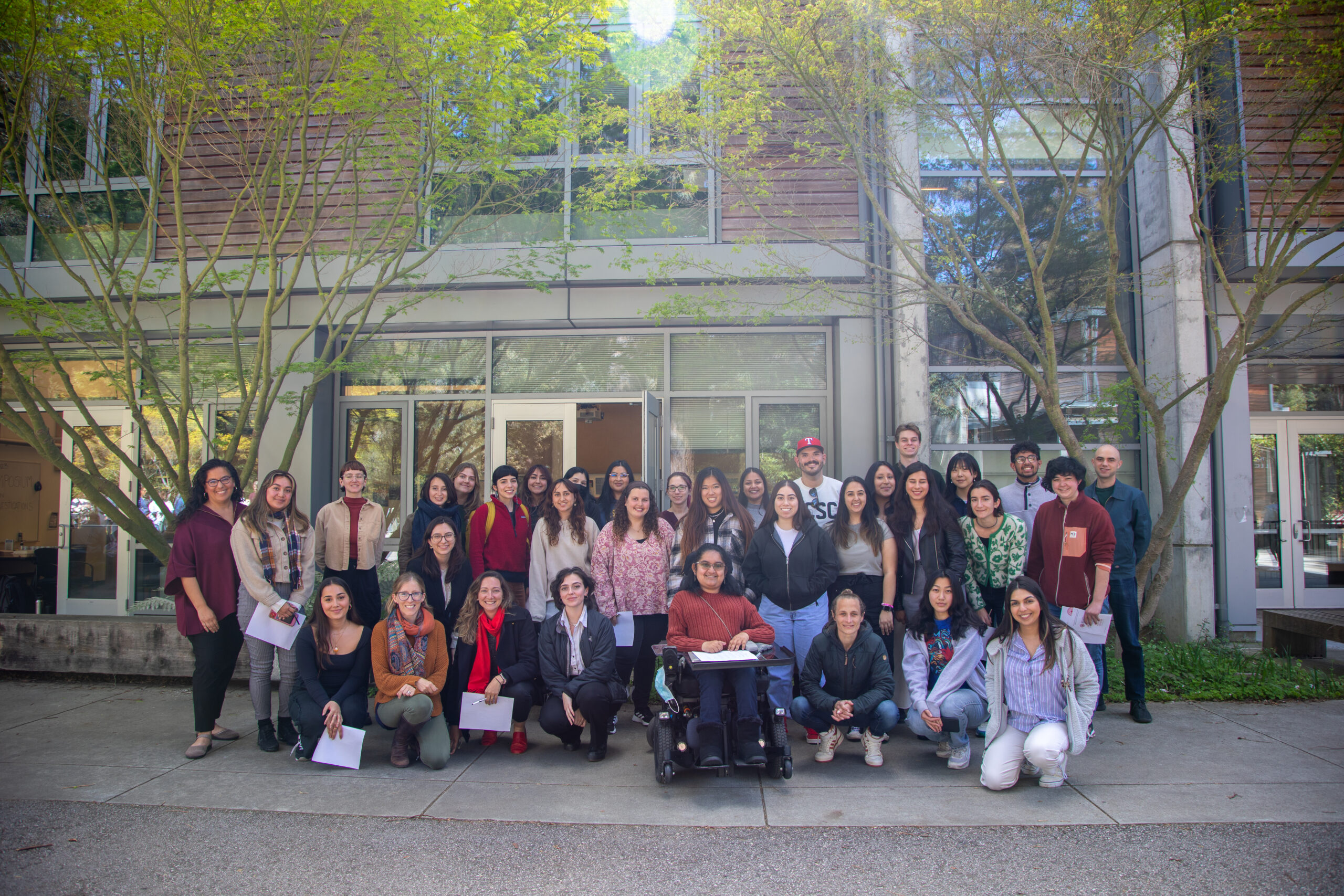
In the spring of 2022, The Research Center for the Americas at UC Santa Cruz and the Human Rights Center at UC Berkeley School of Law convened a series of experts in a public event titled “Holistic Security and Early Career Human Rights Researchers: Inspiring Industry Change.” While there has been increased awareness of the physical, digital, and psychosocial risks of modern-day human rights investigations in recent years, this convening focused on how both individuals and organizations could improve their understanding of “holistic security” and apply that knowledge via processes and practice, particularly in the workplace. This report summarizes important highlights from this event and provides additional information and resources that investigators and human rights practitioners can use to strengthen their own physical, digital and psychosocial security.
Key Takeaways
- Holistic security integrates physical, digital, and psychosocial welfare to protect human rights investigators. It emphasizes well-being and recognises the interconnectedness of threats in these domains, promoting sustainable security practices.
- There is a growing awareness of the necessity for holistic security, especially in high-risk investigations, where digital threats often intertwine with physical and psychosocial ones. The report highlights the importance of building resilience and mitigating mental health risks from distressing content.
- Organizational and individual protective practices are essential for investigators. These should consider personal identities and provide comprehensive strategies, from self-care to organizational policies, to manage the security risks and maintain mental well-being.
- Holistic security in workplaces can foster inclusivity and protection for under-represented groups. Diverse, inclusive environments can diminish increased risks faced by these groups, and companies should address these through policies and training encompassed in onboarding.
- Educational environments play a crucial role in developing and disseminating strategies for holistic security, offering platforms for students and professionals to practice and propagate these practices to wider communities.
- The document underlines the importance of resiliency practices, providing practical modules for restoration and capacity building, focusing on stress management and community care to mitigate secondary trauma effects and support sustained human rights work.
Suggested Citation
Center, H., & Americas, U. (2022)
Holistic Digital Security.
Human Rights Center, UC Berkeley. https://humanrights.berkeley.edu/publications/holistic-digital-security/