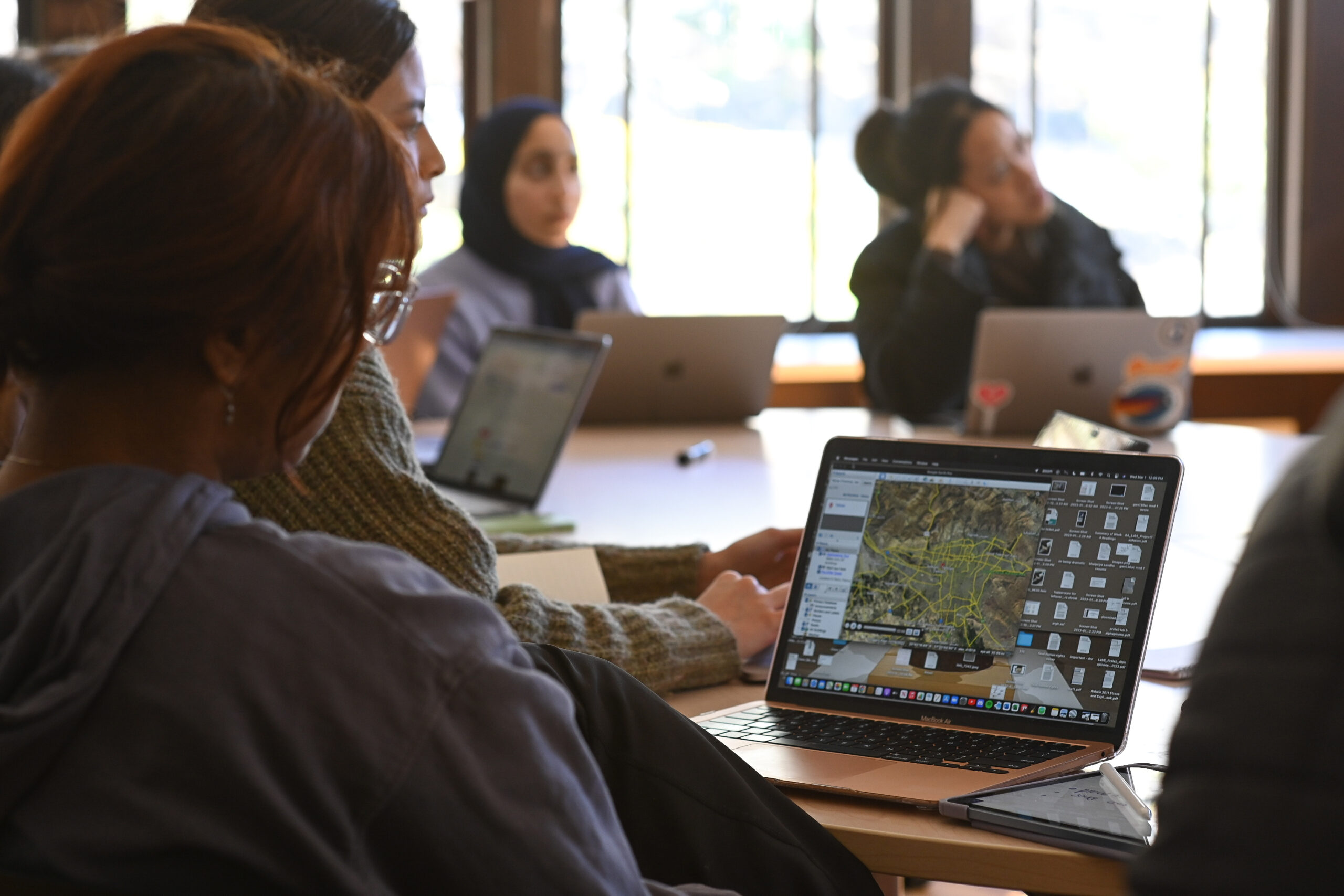
The Human Rights Center began a movement ten years ago by launching the first university-based open source investigations lab to document human rights violations and other violations of domestic and international law. The Investigations Lab has given more than 500 students from multiple disciplines tools and techniques to find, verify, and analyze publicly accessible information — social media posts, satellite imagery, digital databases and more — for lawyers, investigative reporters, human rights defenders, and researchers. The Lab has inspired more than two dozen university-based efforts of its kind worldwide and sparked the first international protocol on digital open source investigations: The Berkeley Protocol.
To mark our 10th anniversary, Alexa Koenig, Investigations Lab director, is hosting a series of conversations among Lab alumni, current students and partners in the work. Our first conversation is about investigating human rights abuses related to immigration.
The first conversation in the Lab’s 10-year anniversary series features Haley Willis, a Pulitzer Prize-winning journalist who spent seven years with the New York Times visual investigations team before recently taking a “sustainability break”; Noah Bullock, executive director of the nonprofit Cristosol, who researches the conditions at El Salvador’s CECOT prison; and Talia Harter, a current Investigations Lab student who has led research on the experience of migrants at CECOT.
Willis, whose visual investigations at The New York York Times have spanned international and domestic human rights contexts, recounts coverage of ICE in Minneapolis. She talks about the importance of digging for information to piece together the truth and how terrifying it can be that “all the evidence can be there and nobody wants to look at it.”
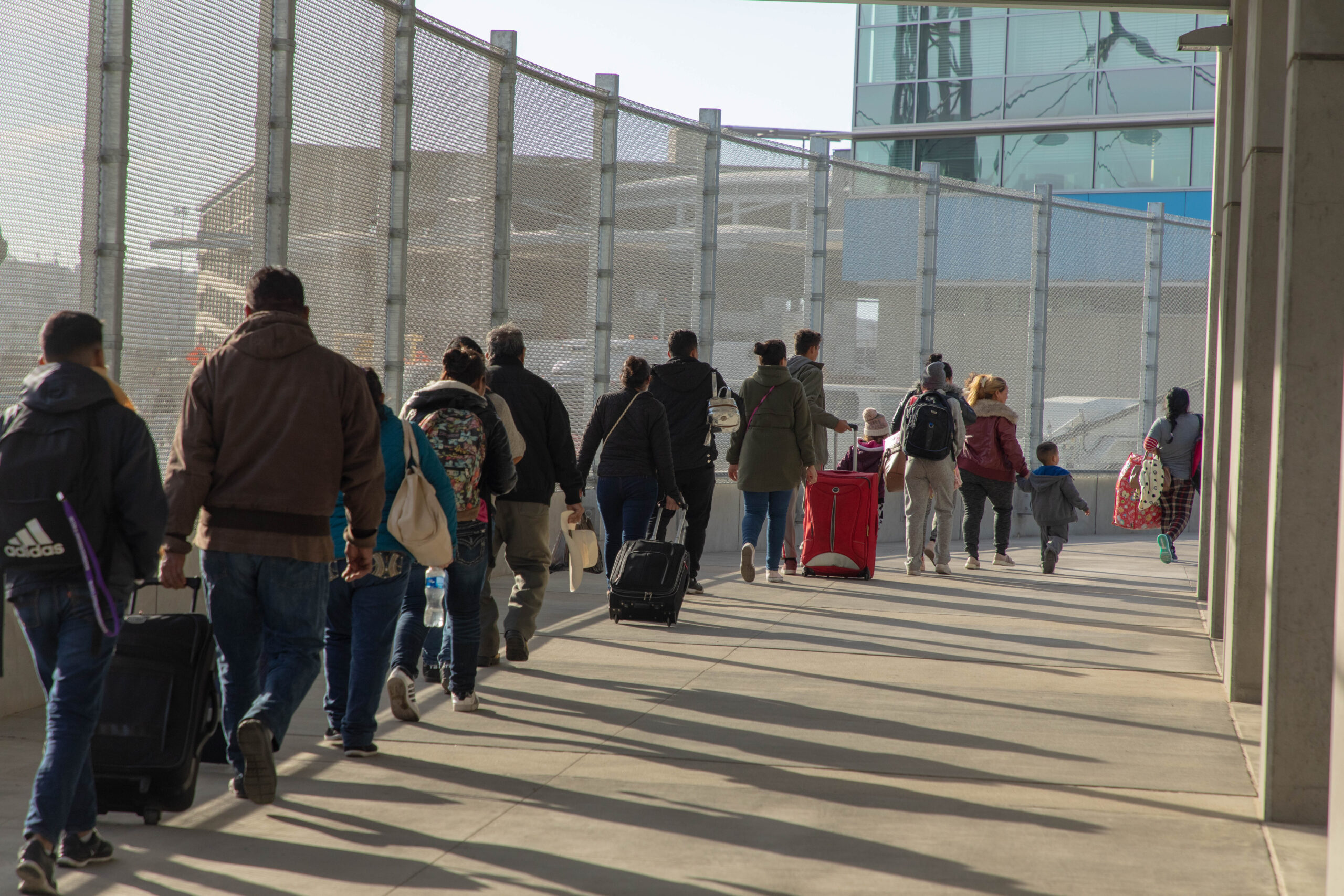
Current student Harter discusses the Lab’s open source work on the removal of immigrants to third countries — often countries where they have no connection and do not speak the language — and the “architecture of cruelty” that surrounds the policy. Lab students, she says, are analyzing the agreements the US has made with countries, but also documenting the stories of immigrants shipped to those countries.
Bullock talks about Cristosol’s work in El Salvador and specifically in CECOT prison. He says one of the reasons he appreciates working with students in Berkeley’s Investigations Lab is because he began human rights work while in college.
“Great change has been possible over time because individuals in every generation have imagined something better,” Bullock said. “We all have to find a way in our own moment to contribute to pushing that legacy forward or it begins to move backwards.”
In this moving conversation, the speakers explore how to make the most impact for survivors and communities. Willis said she isn’t sure what form that will take for her in the future but that she’ll continue trying to “fulfill the conviction that the world doesn’t have to be the way that it is.”