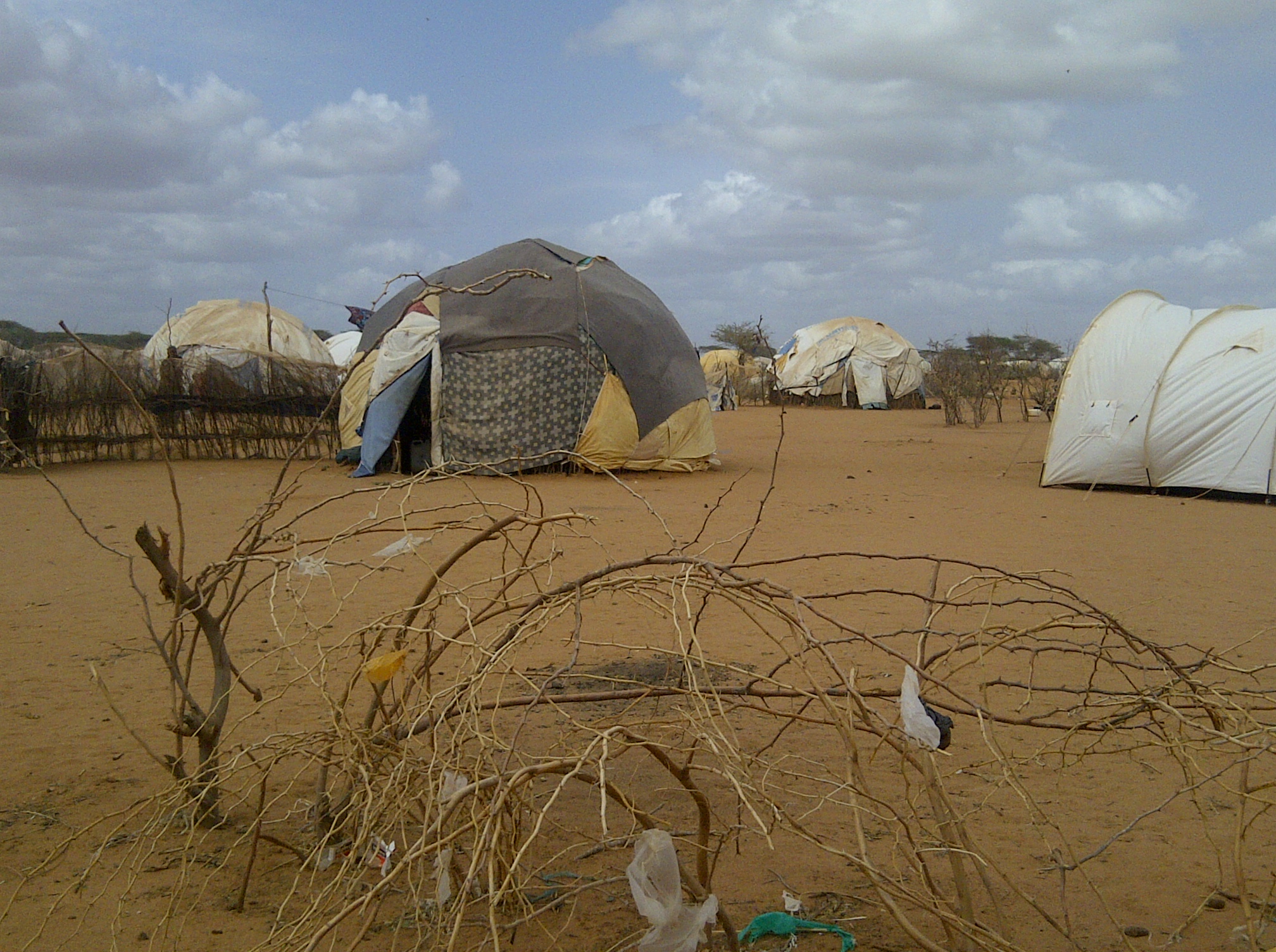
Safe Haven: Kenya Case Study
Publication Date
May 1, 2013
Publication Type
Report
Topic(s)
Conflict, International Humanitarian Law, Public Health
Summary
This multi-country study described and assessed options for physical protection from SGBV in diverse forced displacement settings. In 2015, recommendations from this study were incorporated into the Inter-Agency Standing Committee’s 2015 Guidance for Integrating GBV Interventions in Humanitarian Action, the primary source of global guidance for the UN and organizations operating in crisis settings. This is the Kenya-specific report.
Key Takeaways
- The report details efforts to shelter displaced individuals from sexual and gender-based violence in Kenya and other regions. It focuses on various shelter models, challenges they face, and strategies for improvement.
- The study explores different types of shelter models implemented in Kenya, such as traditional safe houses, community host systems, and independent living arrangements. The effectiveness of these models varies widely based on factors like location, security, and resources.
- Challenges faced by these shelters include scarcity of shelter options, limited resources, and security concerns for both residents and staff. Many shelters struggle with maintaining security while fostering an empowering and supportive environment for survivors.
- The report highlights the need for better structured exit strategies for shelter residents, improved service coordination among shelters, and stronger community ties to facilitate the reintegration of survivors back into society.
- Special attention is recommended for marginalized groups such as internally displaced persons, LGBTQ individuals, and male survivors of violence, who face additional barriers to accessing shelter and support services.
- Recommendations for improving the shelter systems include increasing government and international support, promoting community-based protection models, and conducting thorough program evaluations and mappings to better allocate resources and services.
- The study emphasizes that increasing awareness and education about sexual and gender-based violence in communities is vital for improving the overall efficacy of shelter programs and ensuring long-term safety for survivors.
Suggested Citation
Freccero, J., Seelinger, K., & Horn, R. (2013)
Safe Haven: Kenya Case Study.
Human Rights Center, UC Berkeley. https://humanrights.berkeley.edu/publications/safe-haven-kenya/

Related Publications

May 1, 2013
Safe Haven: Sheltering Displaced Persons from Sexual and Gender-Based Violence
View Publication
May 1, 2013
Safe Haven: Thailand Case Study
View Publication
May 1, 2013
Safe Haven: Haiti Case Study
View Publication
May 1, 2013
Safe Haven: Colombia Case Study
View Publication