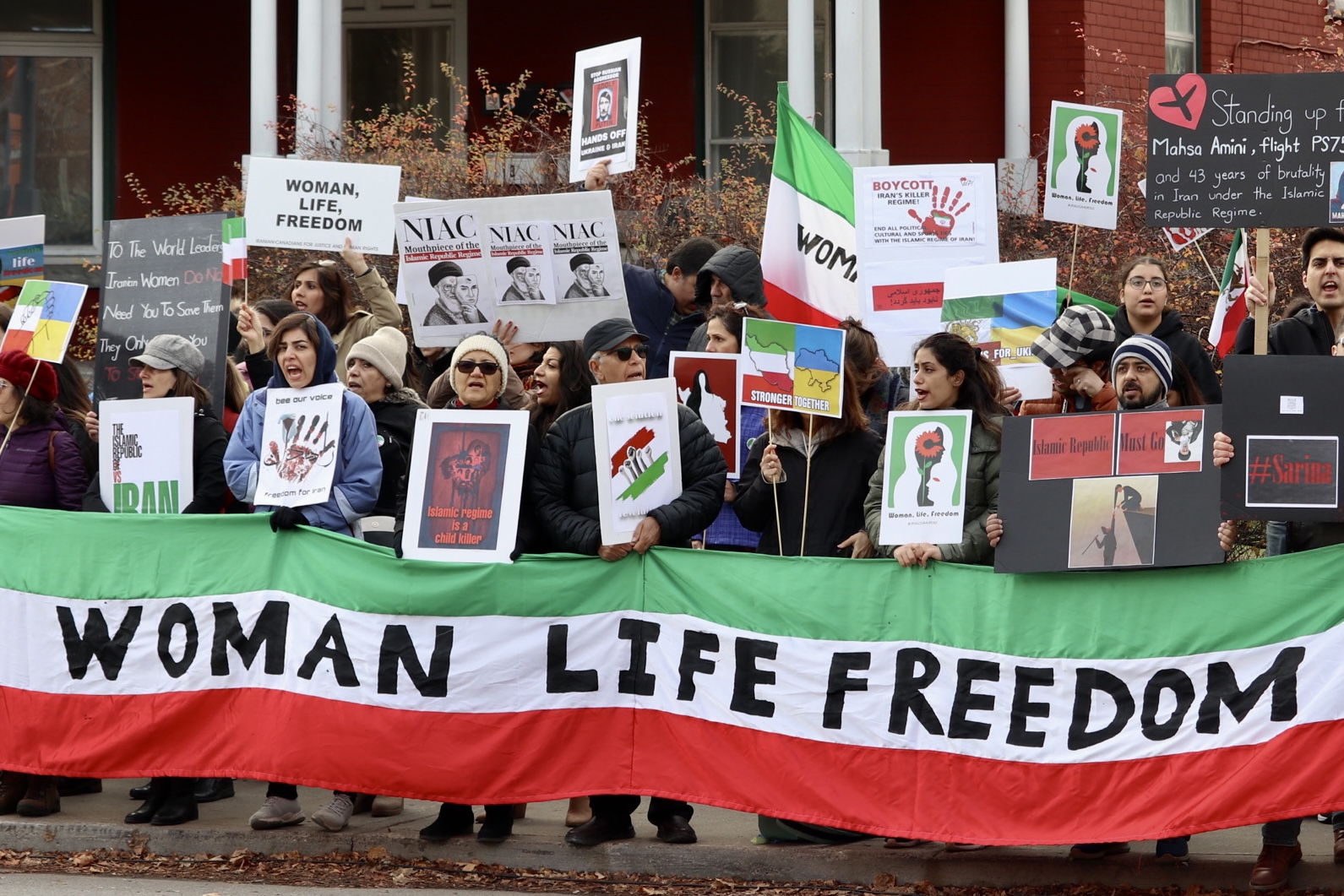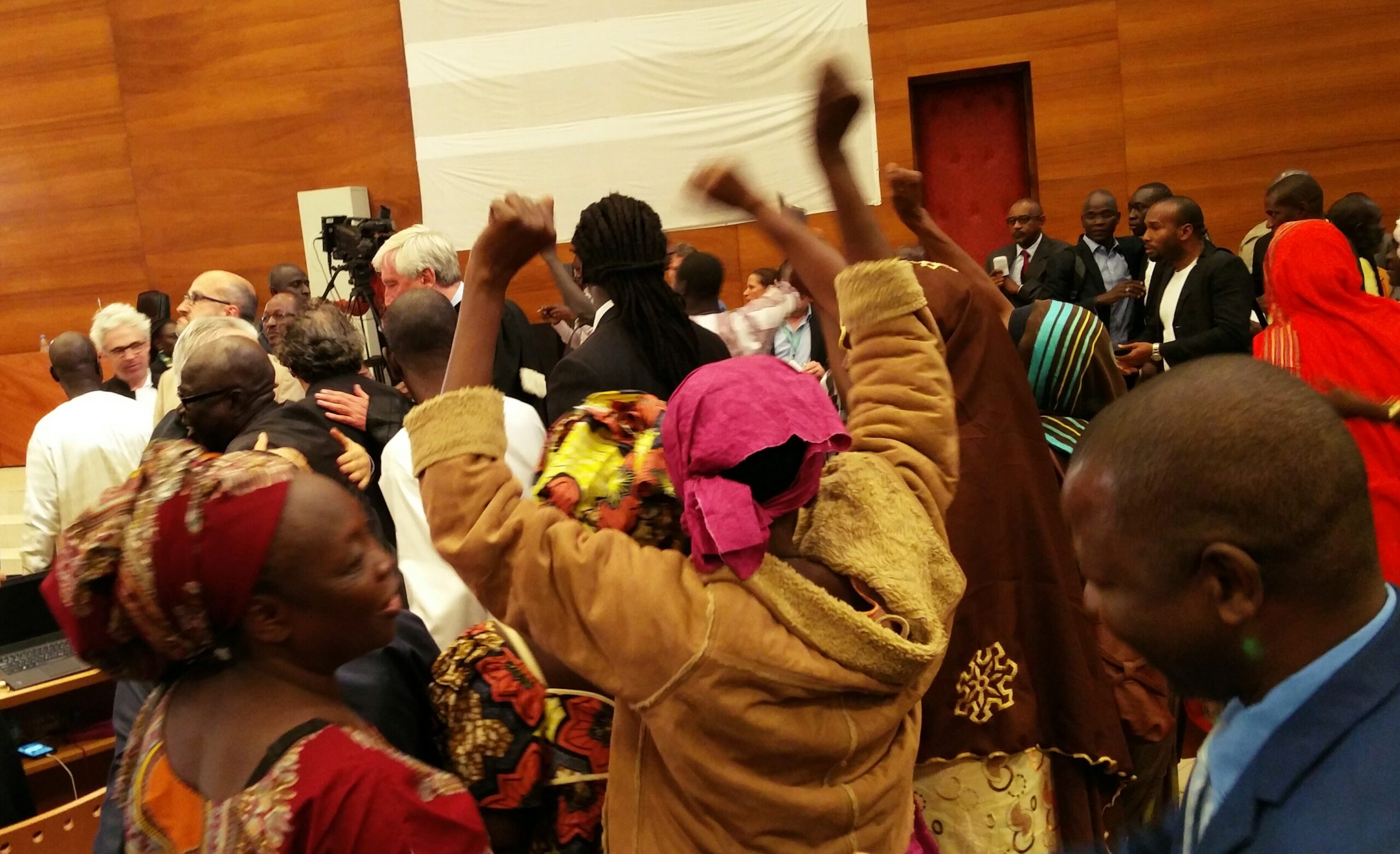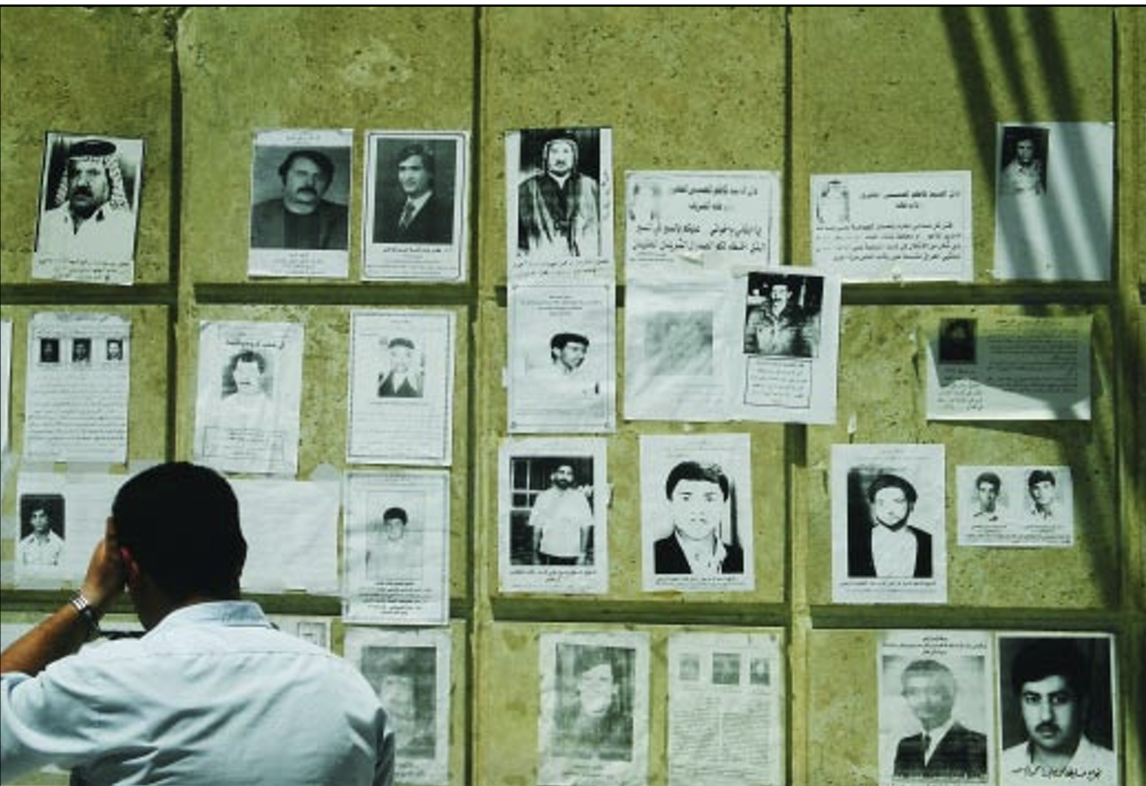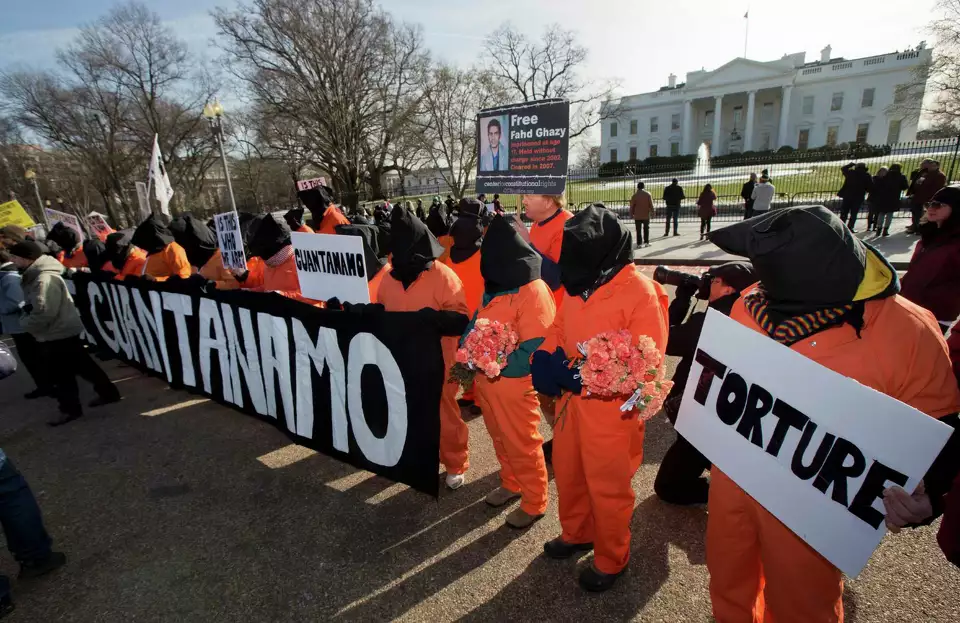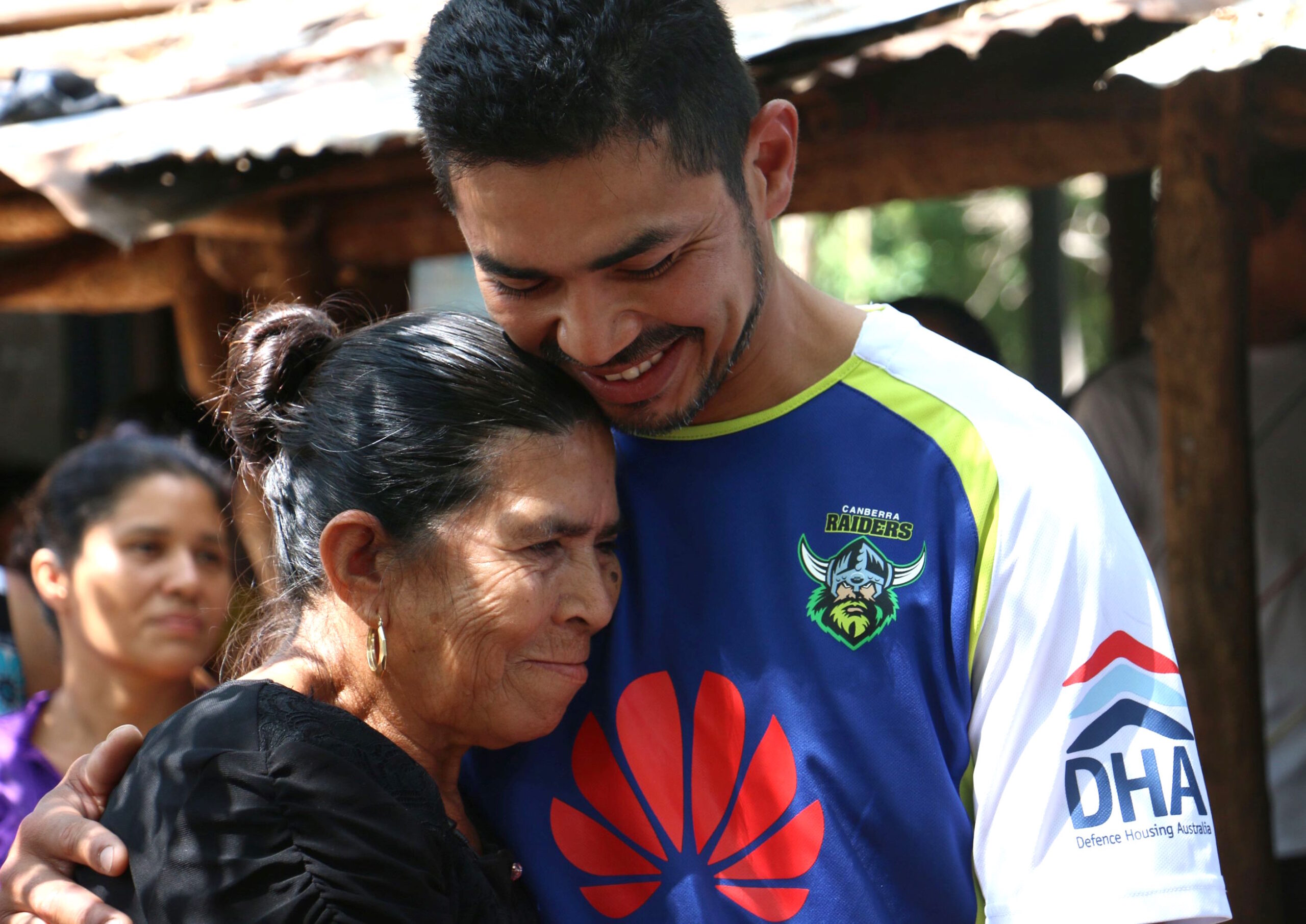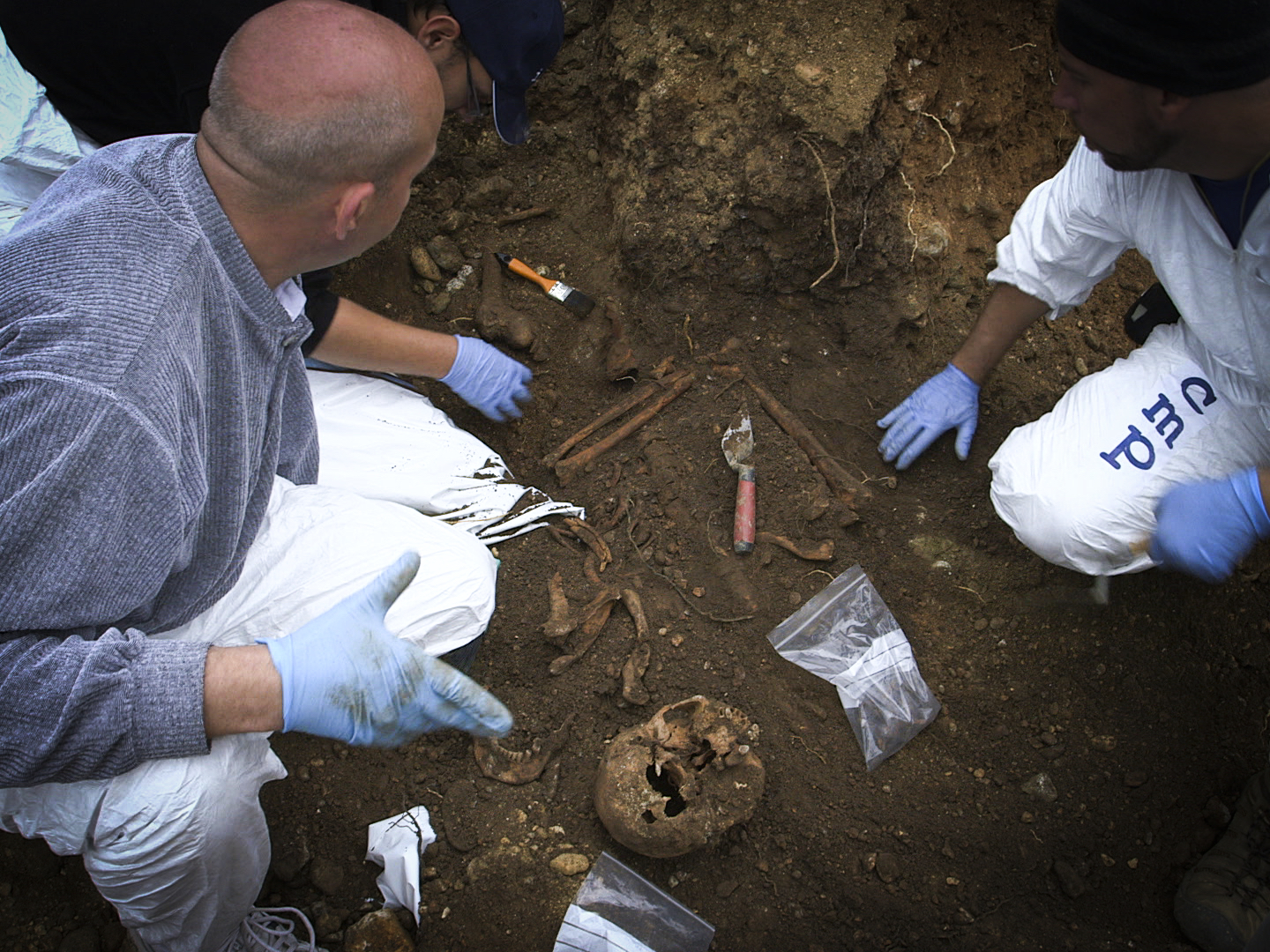

We investigate human rights violations and international crimes using rigorous, science-informed methods. For more than 30 years, we have combined field research with advanced digital tools — from forensic DNA analysis to satellite imagery to large-scale data analysis — to reveal patterns of abuse, verify contested events, and preserve evidence that might otherwise disappear. We safeguard the historical record and ensure that survivors’ experiences are documented with accuracy, transparency, and dignity.
Research and Fact-Finding
We conduct empirical investigations into human rights violations and modern conflict, merging traditional research with newer digital methods, such as satellite analysis and social media verification. Our studies provide the evidence base needed for accountability, reform, and public understanding.
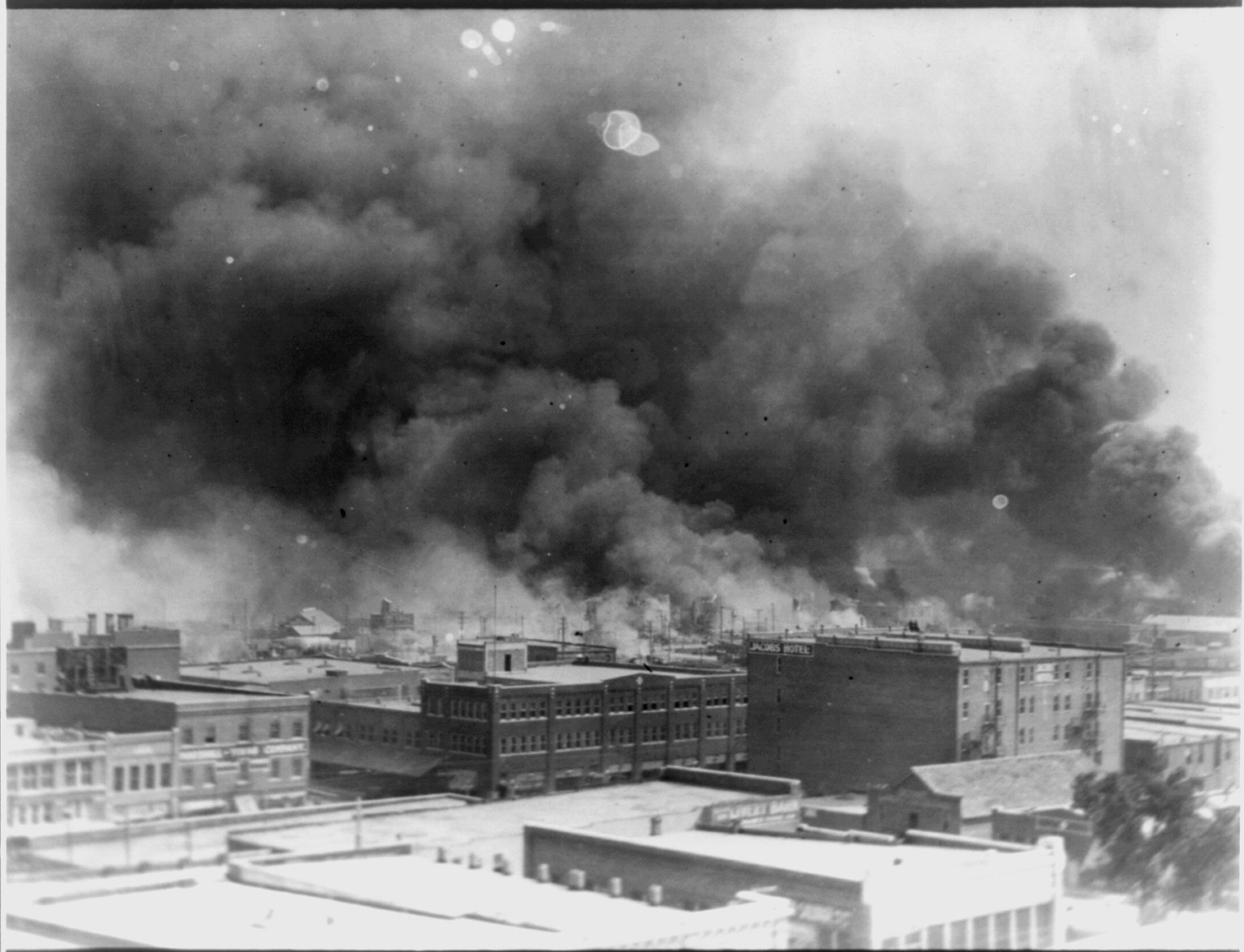
Evidence Preservation
Our Evidence Archives Initiative develops secure, ethical systems for storing, protecting, and sharing digital evidence. We help ensure that documentation remains authentic, accessible, and admissible for future judicial, historical, or community use, safeguarding truth across generations.
Visual Storytelling
We work with journalists and human rights defenders to transform complex evidence into accessible narratives through digital mapping, satellite overlays, and survivor-centered design. These visual tools amplify community voices, deepen public understanding, and support legal and policy action.

Student-Powered Research
Investigations Lab
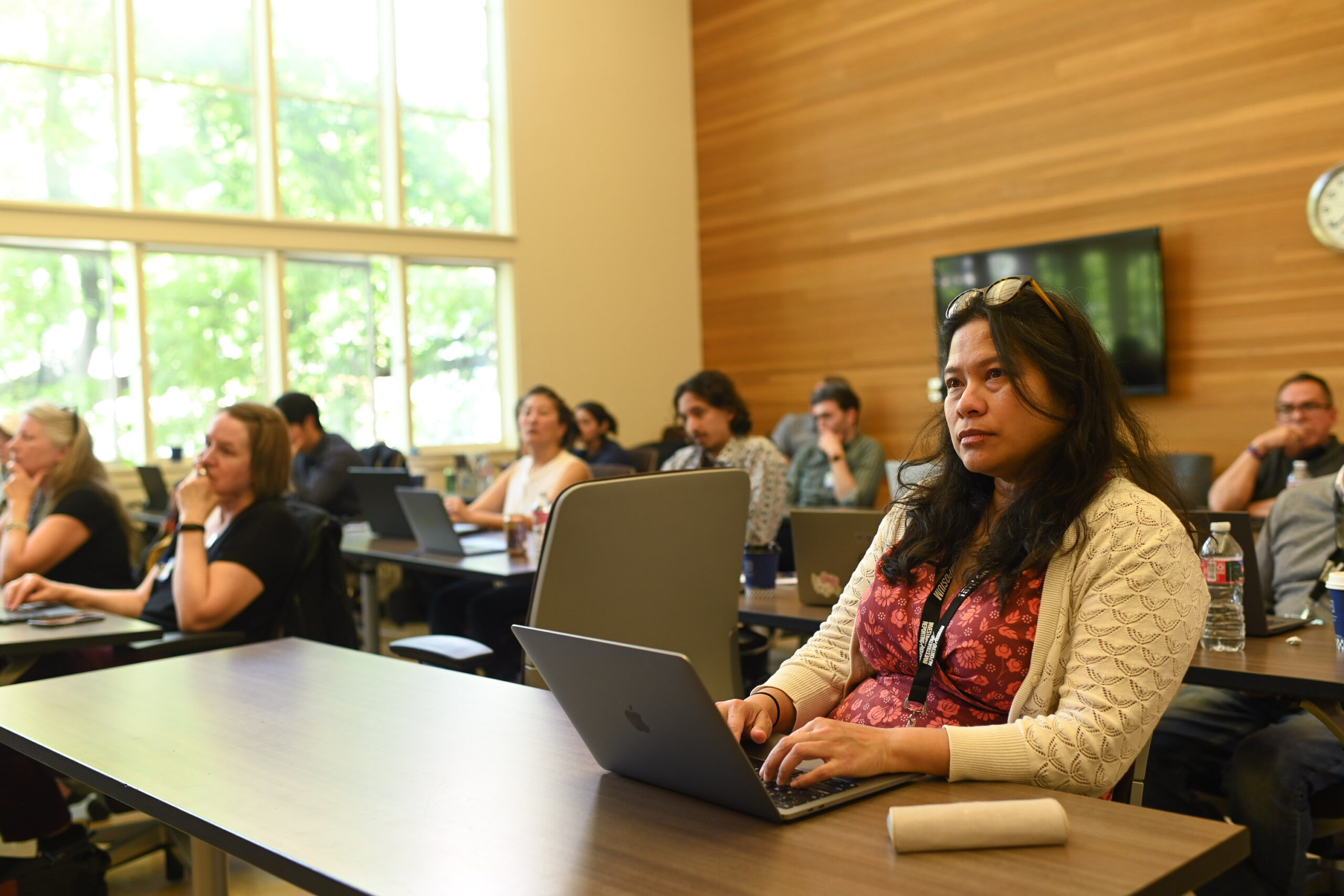
We train students at UC Berkeley and partner campuses to effectively investigate human rights violations using digital open source methodologies. Since 2016, our students have collaborated on dozens of professional investigations.