Responding to Sexual Violence: Community Approaches
Publication Date
May 1, 2011
Publication Type
Working Paper
Topic(s)
Conflict, International Criminal Law, International Humanitarian Law, Public Health
Summary
The devastating effects of sexual violence on victims can be mitigated not only by effective professional responses but also by contributions from para-professionals and community-based organizations. This paper focuses on community-based approaches as a means of bolstering systems of accountability for sexual violence and facilitating recovery for victims. These approaches serve three crucial functions: 1) educate community members and service providers, 2) offer support to victims, and 3) reinforce institutional capacity. These approaches can enhance the ability of victims to pursue accountability by addressing their needs, developing organizational capacities, and linking individual actors and institutions to community networks. This paper is part of a Working Paper Series published by the Sexual Violence and Accountability Project, at the Human Rights Center, University of California, Berkeley Law School. Along with three other Working Papers, it was drafted in preparation for the “Sexual Offences Act Implementation Workshop” to be hosted by the Human Rights Center in Kenya, in May 2011. It will be presented to the cross-sectoral stakeholders tasked with responding to sexual and gender-based violence in Kenya, to frame discussion about the potential use of community-based accountability mechanisms in Kenya.
Key Takeaways
- Community-based approaches are crucial for improving accountability and support for victims of sexual violence by educating community members, offering support to victims, and strengthening institutional capacities.
- The socio-cultural context, influenced by rigid gender norms, impacts the community’s response to sexual violence, often presenting barriers for victims seeking justice and redress.
- Key community actors, such as police, healthcare providers, religious institutions, and educational settings, play significant roles in shaping responses to sexual violence and are critical components in coordinated community response systems.
- Training and empowerment through economic opportunities such as microfinance and support groups are essential for aiding victims of sexual violence in achieving independence and healing.
- Individual guides, including paralegals and community organizers, provide vital assistance to victims in navigating complex institutional processes for justice and support, acting as both guides and advocates.
- Coordinated community response models, involving multi-sectoral networks, offer systemic approaches to preventing and responding to gender-based violence, fostering collaboration across medical, legal, and psychosocial services.
- In conflict-affected areas, coordinated interventions by organizations and local community leaders are essential for providing protection, support, and rehabilitation to survivors of sexual violence.
- Adapting technological tools like SMS and digital databases can enhance community mobilization, data collection, and dissemination of information regarding sexual violence response efforts.
Suggested Citation
Freccero, J., Harris, L., Carnay, M., & Taylor, C. (2011)
Responding to Sexual Violence: Community Approaches.
Human Rights Center, UC Berkeley. https://humanrights.berkeley.edu/publications/responding-sexual-violence-community-approaches-0/
Related Publications
May 27, 2011
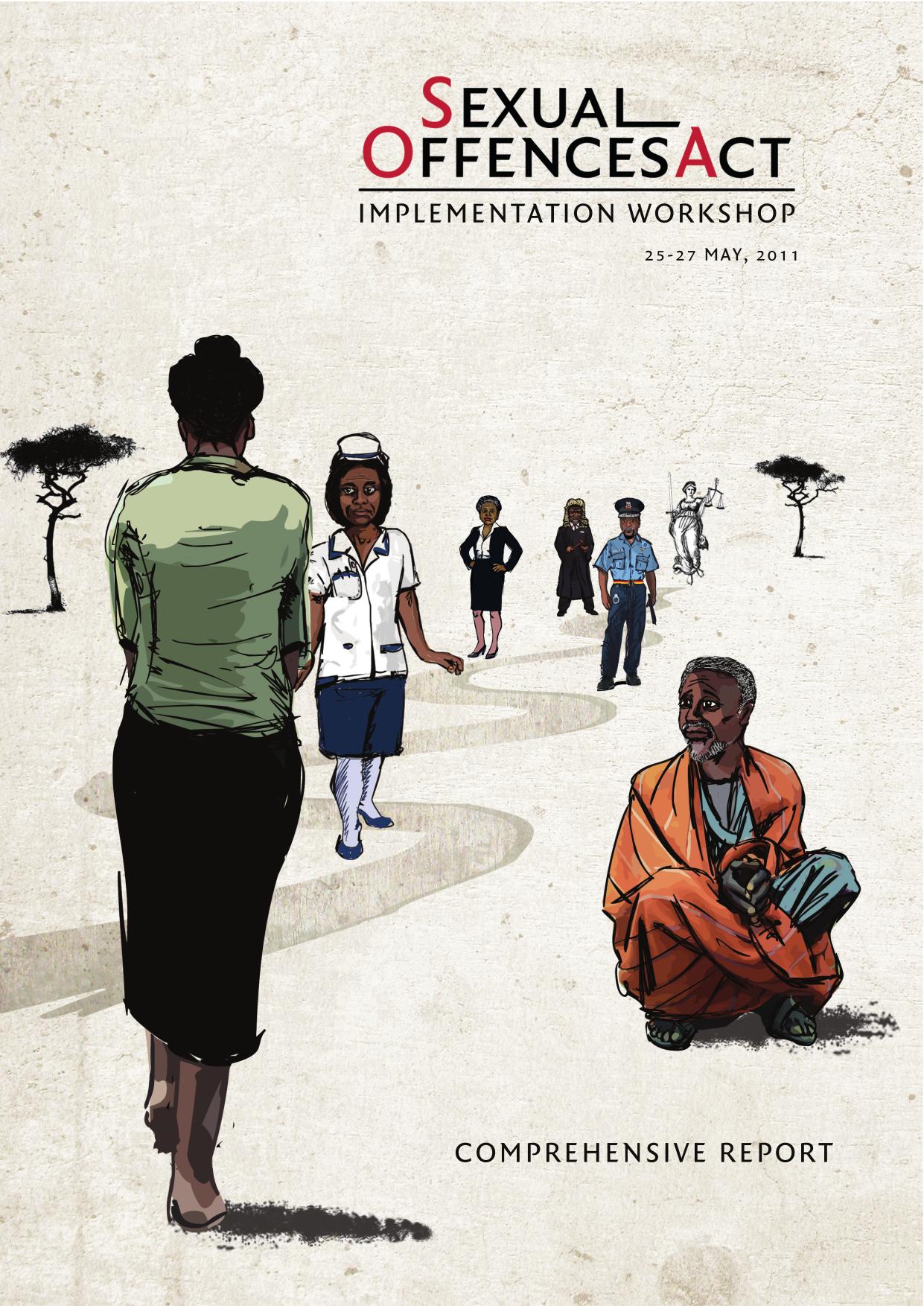
Kenya Sexual Offences Act Implementation Project
View Publication
May 1, 2011
The Jurisprudence of Sexual Violence
View Publication
May 1, 2011
The Investigation and Prosecution of Sexual Violence
View Publication