The Investigation and Prosecution of Sexual Violence
Publication Date
May 1, 2011
Publication Type
Working Paper
Topic(s)
Conflict, International Criminal Law, International Humanitarian Law, Public Health
Summary
Despite the increasing acceptance of sexual violence as a crime under both national and international law, many victims still encounter great difficulty obtaining justice. This paper explores specific challenges that can arise in the investigation and prosecution of sexual violence, as well as promising responses to these challenges. It reviews the barriers that deter victims from bringing sexual violence cases, the obstacles to coherent and gender-sensitive investigation and prosecution of sexual violence-based crimes, and the challenges — especially for victims — of ensuring successful trials. Ultimately, the outcome of these prosecutions can have legal, historical, psychosocial and security implications that reach well beyond those victims who testify. This paper is part of a Working Paper Series published by the Sexual Violence and Accountability Project, at the Human Rights Center. Along with three other Working Papers, it was drafted in preparation for the “Sexual Offences Act Implementation Workshop” to be hosted by the Human Rights Center in Kenya, in May 2011. It will be presented to the cross-sectoral stakeholders tasked with responding to sexual and gender-based violence in Kenya, with a view to introducing key issues arising in the investigation and prosecution of sex crimes in both “domestic” and “international” contexts.
Key Takeaways
- Despite advancements in recognizing sexual violence under national and international law, victims often face significant barriers to justice, such as inadequate reporting systems, fear of stigma, and procedural challenges within legal systems.
- Promising strategies for improving the prosecution of sexual violence include the integration of medical and legal services, establishment of specialized police units and gender desks, and the training of personnel in gender sensitivity and trauma-informed approaches.
- The introduction of plea bargaining in some jurisdictions can impact victims’ perception of justice, as charges related to sexual violence are sometimes bargained away, potentially minimizing the recognition of such crimes in the judicial process.
- Protective measures at trials, such as privacy measures and confidentiality safeguards, alongside effective witness preparation, are essential to facilitate victim participation and ensure their dignity and safety during legal proceedings.
- National courts hold a pivotal role in prosecuting sexual violence, but challenges remain regarding coherent prosecutorial strategies, sufficient evidence collection, and the alignment of national laws with international standards to close accountability gaps.
- In-country reforms, such as the establishment of mobile courts in remote regions and community-based paralegal programs, are highlighted as valuable means to increase access to justice for victims of sexual violence in resource-constrained settings.
Suggested Citation
Seelinger, K., Silverberg, H., & Mejia, R. (2011)
The Investigation and Prosecution of Sexual Violence.
Human Rights Center, UC Berkeley. https://humanrights.berkeley.edu/publications/investigation-and-prosecution-sexual-violence-0/
Related Publications
May 27, 2011
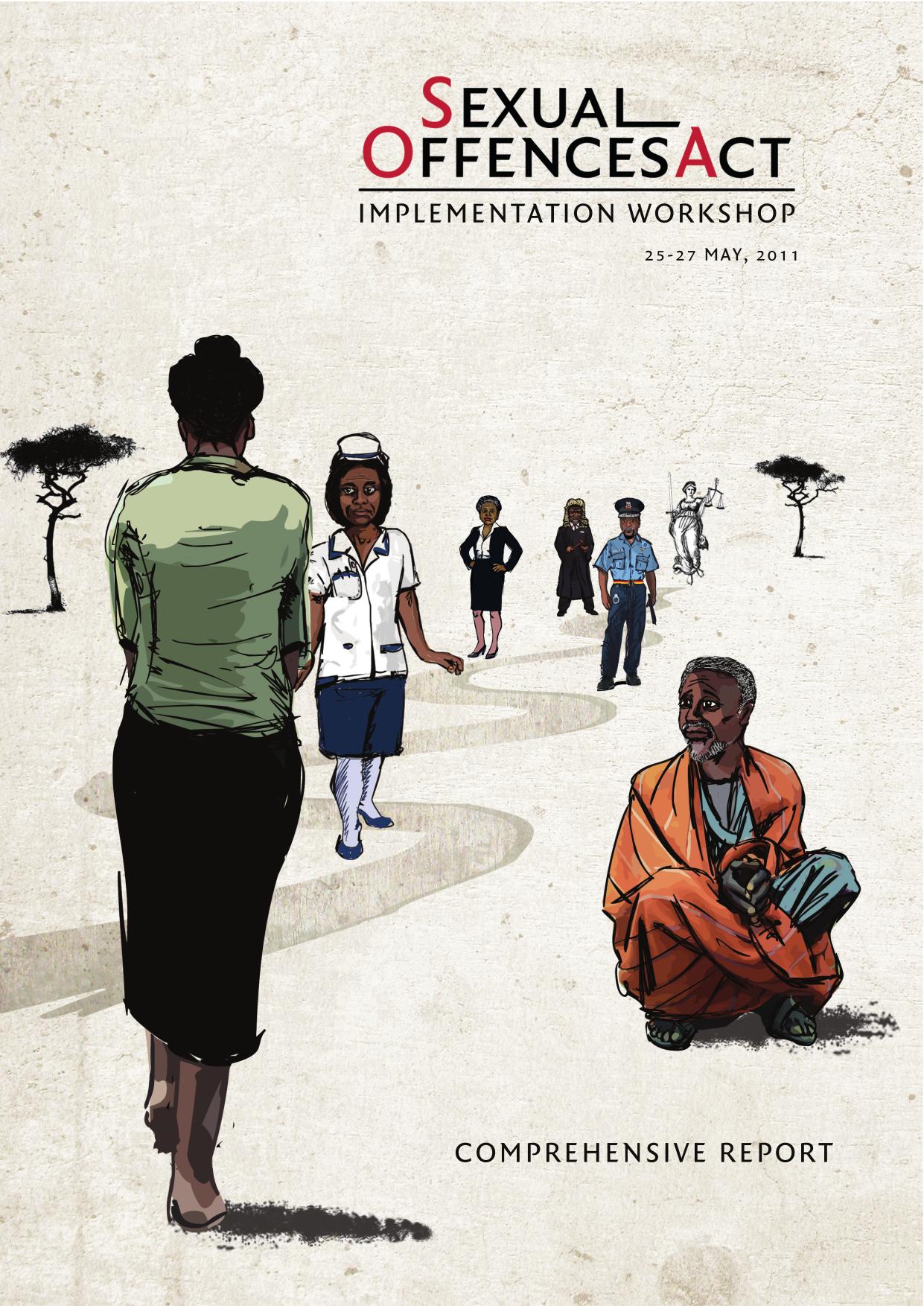
Kenya Sexual Offences Act Implementation Project
View Publication
May 1, 2011
The Jurisprudence of Sexual Violence
View Publication
May 1, 2011
Responding to Sexual Violence: Community Approaches
View Publication