Exhumation of Mass Graves in Iraq: Considerations for Forensic Investigations, Humanitarian Needs, and the Demands of Justice
Publication Date
August 6, 2003
Publication Type
Journal Article
Topic(s)
Conflict
Summary
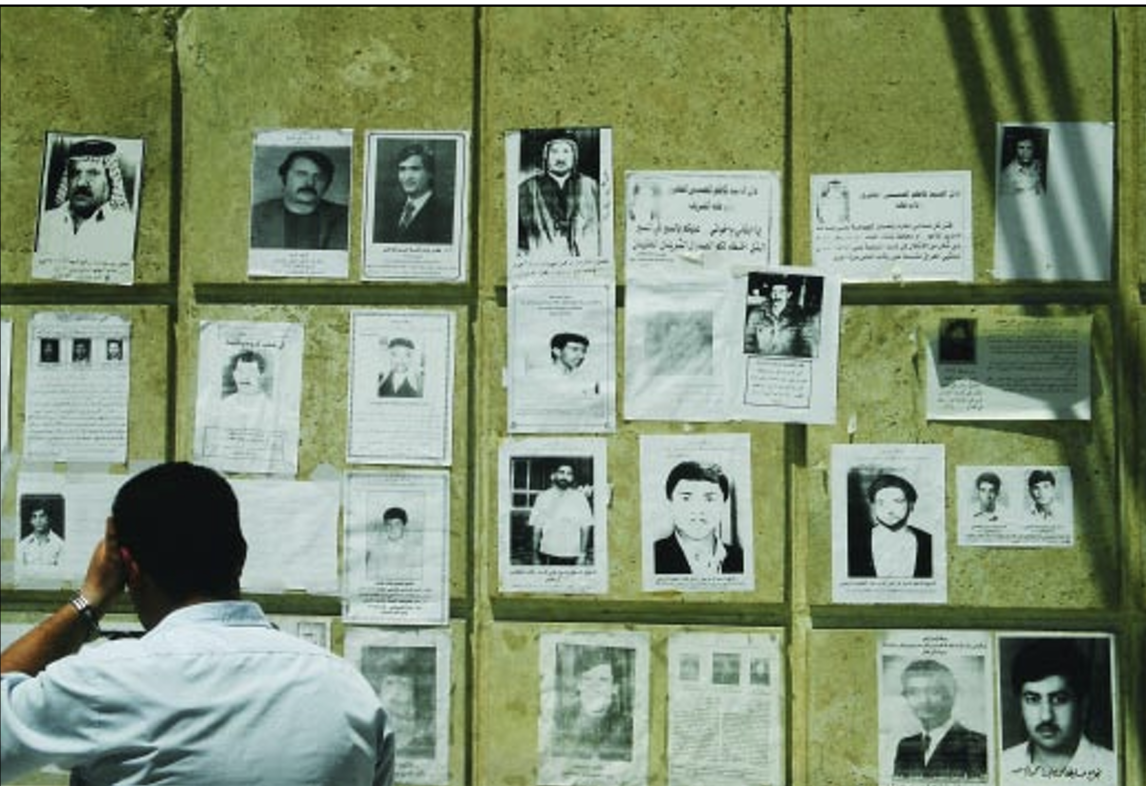
Across Iraq, people have begun to reveal the horrors of nearly a quarter century of repressive rule. Former political prisoners have led journalists and human rights investigators to prisons where torture and summary executions reportedly were routine. Municipal grave diggers, shepherds, and farmers have publicly disclosed the whereabouts of mass graves believed to hold the bodies of those who disappeared during the rule of Saddam Hussein. Lacking adequate forensic expertise and in the absence of international assistance, Iraqis have been exhuming some of these graves in a manner that prevents forensic identification of most of the remains and possibly brings greater mental anguish to the relatives of the deceased. For example, in May 2003, at two sites located near the Mahawil military base just north of the southern Iraqi city of Hilla, villagers used a backhoe to dig up more than 2,000 sets of remains, gouging and co-mingling countless skeletons in the process, while some families used their hands to dig for bones and shards of clothing and carted them away in wheelbarrows and buckets.
Key Takeaways
- The exhumation of mass graves in Iraq presents significant forensic, humanitarian, and legal challenges due to a lack of resources, expertise, and systematic coordination in the aftermath of the conflicts governed by Saddam Hussein’s regime.
- Forensic investigations can play a crucial role in not only providing closure to the families of the missing but also in securing evidence for judicial processes to hold perpetrators accountable for their crimes against humanity.
- The United States and international entities need to provide logistical and financial support for a coordinated forensic effort in Iraq, drawing parallels with previous forensic support initiatives in the former Yugoslavia during similar post-conflict situations.
- Humanitarian needs are critical, as families of the disappeared suffer from ambiguous loss, impacting mental health; thus, culturally sensitive approaches involving families in forensic processes and communal commemorations are encouraged to aid healing and reconciliation.
- An international justice framework for Iraq is yet to be established. The absence of such a mechanism has led NGOs and forensic experts to set independent priorities, necessitating a structured approach to ensure justice and accountability for crimes committed.
- The establishment of a centralized body to oversee grave exhumation and develop a strategy that involves Iraqi families and international organizations is crucial for addressing both the humanitarian needs of the families and the legal necessities of future trials.
Suggested Citation
Stover, E., Haglund, W., & Samuels, M. (2003)
Exhumation of Mass Graves in Iraq: Considerations for Forensic Investigations, Humanitarian Needs, and the Demands of Justice.
Human Rights Center, UC Berkeley. https://humanrights.berkeley.edu/publications/exhumation-mass-graves-iraq-considerations-forensic-investigations-humanitarian-needs/